Key Features of Testing equipments
Practical tools for monitoring the two factors that directly influence metalworking-fluid performance: coolant concentration and water quality.
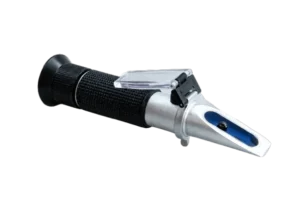
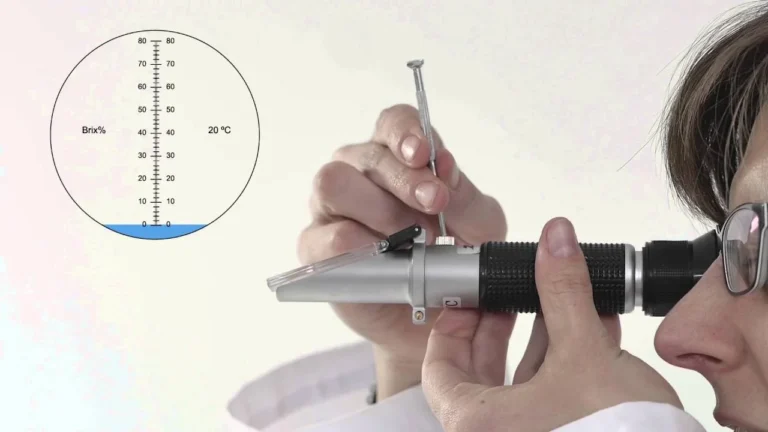
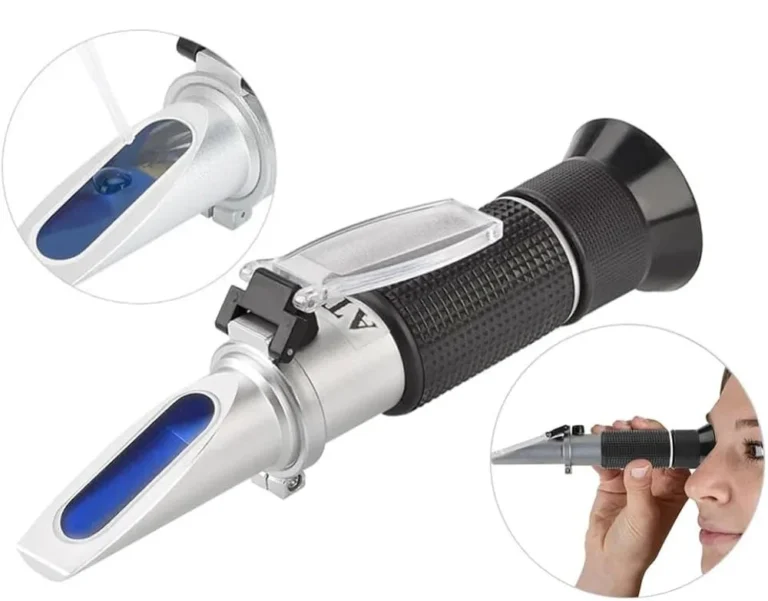
- Refractometer – Measures actual coolant/emulsion concentration after mixing with water.
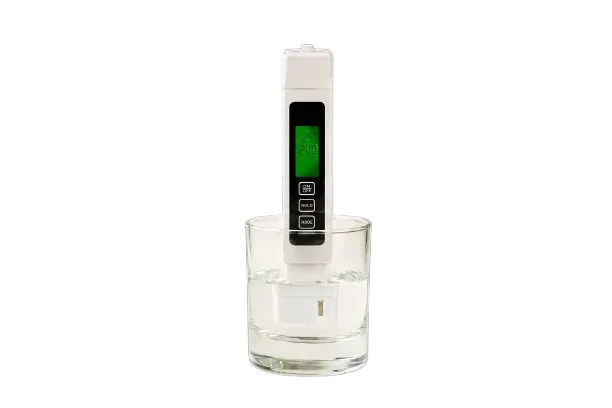
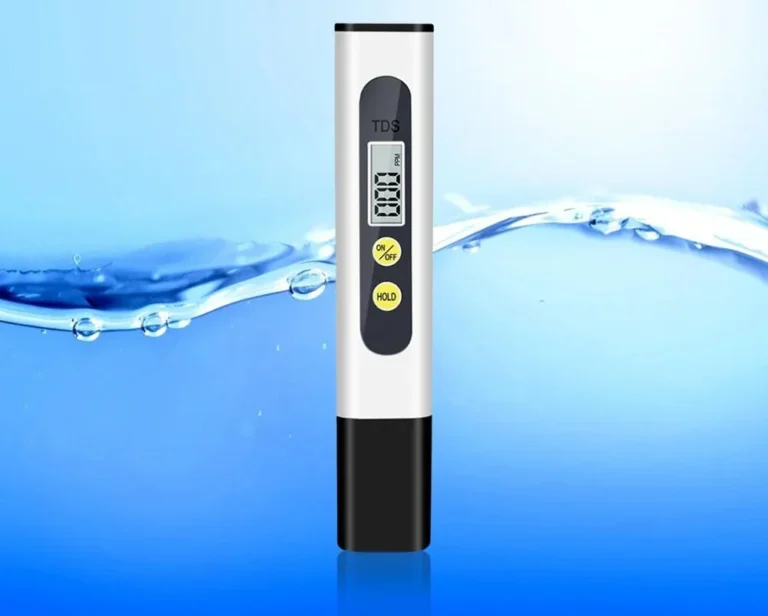
- TDS Meter – Measures dissolved minerals and salts in water to assess water quality.
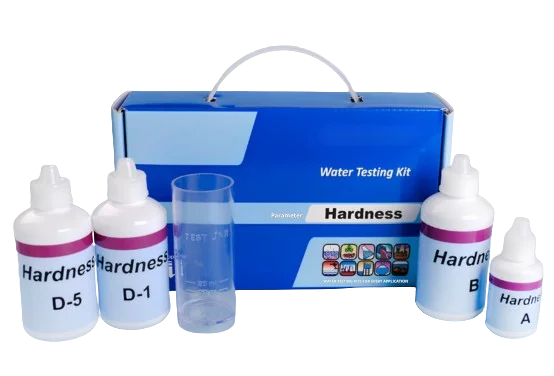
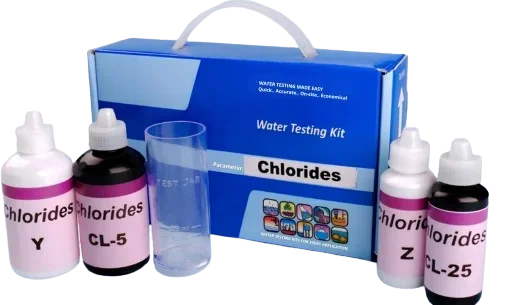
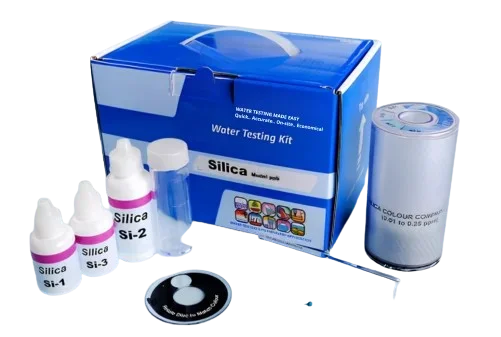
- Water Testing Kit – Checks key water-quality parameters before preparing metalworking-fluid emulsions.
Industry Applications of Testing equipments
Industry Applications of
Testing equipments
Testing equipments can be used wherever consistent water quality and coolant concentration are important to metalworking-fluid performance.
- QC Laboratory – Incoming water and coolant checks.
- Production / Blending Area – Water verification before emulsion preparation.
- Machine Shops – Routine coolant concentration monitoring.
- Customer Technical Service – On-site coolant and water quality assessment.
- RO / DM Water Verification – Checking treated water before use.
Explore our products range
-
Refractometer -
TDS Meter -
Water Testing Kit
Refractometer
What it is & Why it Matters
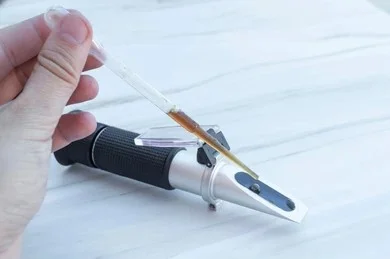
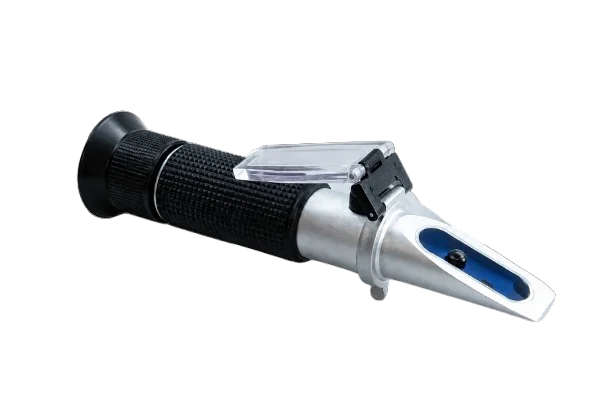
A refractometer measures the refractive index of a liquid and displays it as concentration (Brix or refractive index). For Lubeco Green Fluids, it is used to determine the actual coolant/emulsion concentration after mixing with water. Maintaining the correct concentration is essential because it directly affects lubrication, cooling, corrosion protection, tool life, and product performance.
| Applications | • QC Laboratory • Customer technical service • Machine shop coolant monitoring |
| Benefits | • Quick and easy measurement • Requires only a few drops of sample • Ensures correct dilution • Reduces product wastage • Improves machining performance |
| How to use | • Clean the prism. • Place 2–3 drops of the sample on the prism. • Close the cover. • Read the value through the eyepiece or on the digital display. • Multiply by the product correction factor, if applicable. • Clean the prism after testing. |
TDS Meter
What it is & Why it Matters
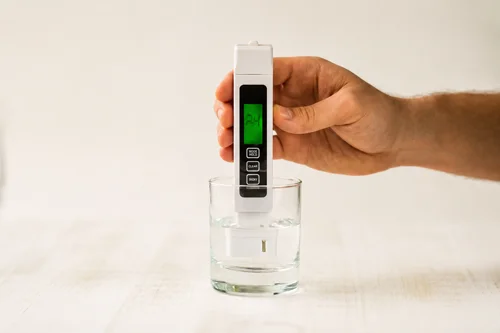
A TDS (Total Dissolved Solids) Meter measures the amount of dissolved minerals and salts in water (ppm or mg/L). For Lubeco Green Fluids, water quality has a significant impact on emulsion stability, corrosion protection, foam formation, and overall product performance.
| Applications | • Incoming water quality check • RO water verification • Plant water monitoring • Customer water quality assessment |
| Benefits | • Fast water quality evaluation • Helps prevent emulsion instability • Identifies unsuitable water • Improves product consistency |
| How to use | • Turn on the meter. • Dip the probe into the water sample. • Wait until the reading stabilizes. • Record the TDS value. • Rinse the probe with clean water after use. |
Water Testing Kit
What it is & Why it Matters
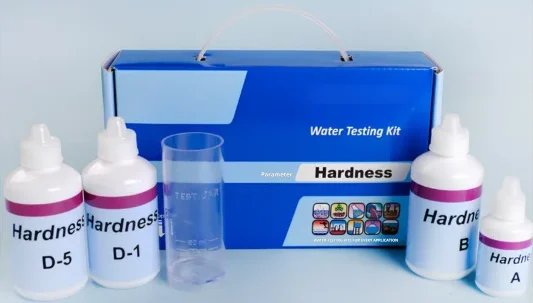
A Water Testing Kit is a set of tools used to measure important water quality parameters before preparing metalworking fluid emulsions. For Lubeco Green Fluids, water quality directly affects emulsion stability, corrosion protection, foam formation, tool life, and overall product performance. Testing water before use helps ensure consistent and reliable results.
| Parameters Commonly Tested | • Hardness (Ca & Mg) – High hardness can cause emulsion instability and deposits. • Chloride – High levels can increase the risk of corrosion. • Silica (SiO₂) – High silica can lead to scaling and deposits on equipment, reduced heat-transfer efficiency, and may affect emulsion stability and machining performance. • pH – Indicates whether the water is acidic or alkaline. • TDS (Total Dissolved Solids) – Indicates the amount of dissolved minerals in the water. • Conductivity – Measures the water’s ability to conduct electricity, related to dissolved ions. |
| Applications | • QC Laboratory • Production / Blending Area • Incoming water quality inspection • Customer site water quality assessment • RO/DM water verification |
| Benefits | • Ensures water is suitable for coolant preparation • Improves emulsion stability • Reduces foaming and corrosion issues • Increases coolant service life • Improves machining performance • Helps maintain consistent product quality |
| How to use | • Collect a clean water sample. • Select the required test (pH, hardness, chloride, etc.). • Follow the kit instructions (test strip, reagent, or titration method). • Compare the result with the provided colour chart or reading scale. • Record the results. • If any parameter is outside the recommended limit, treat or replace the water before preparing the emulsion. |
Why Choose the Fluidmate’s Testing equipments?
Why Choose the
Fluidmate’s Testing equipments?
| Tool | Main Purpose | Why It Matters |
|---|---|---|
| Refractometer | Measures emulsion concentration | Ensures correct coolant dilution and optimum performance |
| TDS Meter | Measures dissolved solids in water | Verifies water quality for stable emulsions |
| Water & Emulsion Testing Kit | Checks coolant and water condition | Helps maintain coolant health, performance, and service life |
Easy measurements
Requires sample volumes
Correct coolant dilution
Identify unsuitable water
Supports emulsion stability